Skip to content
Understanding Search Intent: The Key to SEO Success
search intent is not just a buzzword; it’s the backbone of successful SEO strategy. If you want to understand what your users truly seek, you must first grasp the essence of search intent. Think of it as the secret sauce that transforms a basic keyword strategy into a robust, revenue-driving machine. At IgniteSearch, we know that failing to align your content with user intent is like trying to sell ice to an Eskimo — you might have the best product, but you’re simply not meeting their needs.
 seo success“>
So, what do we mean by search intent? Essentially, it’s the reason behind a user’s search query. Is someone looking for information, or are they ready to make a purchase? When you decode this intent, you can tailor your content to speak directly to those needs.
Why Search Intent Matters
- Relevance Leads to Rankings: Aligning your content with search intent helps increase your relevance, which can lead to improved rankings. It’s a direct line to Google’s heart — or at least, its algorithm. The more relevant your content is to what users are searching for, the more likely Google will reward you with those coveted top spots in SERPs.
- Enhanced User Experience: Delivering what your users actually want creates a better experience, reducing bounce rates and increasing dwell time. And guess what? Google notices these engagement metrics, making them a crucial part of your SEO strategy.
- Increased Conversion Rates: When your content meets the specific needs of users, the chances of converting them into customers increase significantly. It’s all about giving potential customers what they’re actively seeking.
Types of Search Intent
To master search intent, it’s essential to understand its different types. Each category reflects a different user motive, and structuring your content to accommodate these variances is an art form that IgniteSearch has honed over the years.
- Informational Intent: Users are seeking knowledge. This could range from quick facts to in-depth guides. For example, if someone searches for "how to bake a chocolate cake," they are looking for instructions, not a purchase link.
- Transactional Intent: This intent indicates readiness to buy. Queries like “buy running shoes” or “best deals on laptops” signal that users are primed for conversion. Optimizing for this intent means creating pages designed to promote conversions, featuring clear calls to action and persuasive content.
- Navigational Intent: Users here are typically searching for a specific website. When someone types “Facebook login,” they know precisely where they want to go, and your task is to ensure your brand shows up if they’re looking for your services. Knowing this can help you optimize your brand’s presence in relevant searches.
- Commercial Intent: This is halfway between informational and transactional. Users may be researching products but aren’t quite ready to commit. Keywords like “best smartphones 2025” imply that they want comparisons to make informed decisions. Your content here should facilitate that research.
By understanding these types of intent, you can structure your content more effectively. For instance, if you’re writing about "the best electric cars," consider whether your focus should be on in-depth reviews (informational), buying guides (transactional), or comparisons (commercial). Whatever the intent, at IgniteSearch, we ensure your content meets the needs of your target audience.
💡 Ready to Dominate Search?
Book your FREE Revenue-Focused SEO Audit with a Senior SEO Specialist from IgniteSearch. Don’t settle for basic reports—get the exact steps to boost your results starting today!
In mastering search intent, you set the stage for the next topic: the four main types of search intent. By delving deeper into each category, we will equip you with everything you need to zero in on your audience’s true needs.
The Four Main Types of Search Intent
In the intricate web of SEO, understanding the nuances of search intent is paramount. Just when you thought you had keywords nailed down, enter the four major types of search intent that can flip your strategy upside down. It’s not just about what people are searching for, but why they’re searching for it. At IgniteSearch, we’ve seen first-hand how aligning your content with user intent can be the difference between ranking on page one or languishing in obscurity.

1. Informational Intent
Let’s kick things off with informational intent, where users are, unsurprisingly, seeking information. Whether it’s a quick answer to a question or an in-depth article, this intent is all about content that educates.
- Example: "What is SEO?"
- In this case, your job is to create content that not only answers the query but positions you as a thought leader. At IgniteSearch, we suggest comprehensive guides that delve deeper into topics. Think of a well-structured FAQ page — it’s the difference between just another page and a go-to resource that keeps users coming back.
2. Navigational Intent
Next up is navigational intent, where the user knows exactly where they want to go. They might be searching for a specific website or brand, like "Facebook login" or "IgniteSearch SEO services." Here’s the kicker: optimizing for navigational intent is crucial for brand recognition.
- If users search for your brand and find competitors instead, you’re leaving loot on the table.
- Ensure that your brand pages are optimized with strong keywords, branded content, and actionable CTAs that lead directly to your services.
3. Transactional Intent
Ah, the golden goose of search intent: transactional intent. Users searching with this intent are ready to pull the trigger — they want to buy! For example, "buy running shoes online" signals their intention to make a purchase.
- At IgniteSearch, we recommend optimizing product pages with clear and enticing CTAs, customer reviews, and SEO best practices for e-commerce.
- Aim for an intuitive shopping experience, and watch conversions climb. Think of it like setting up a well-choreographed ballet — every element should lead gracefully toward the final act: the sale.
4. Commercial Investigation
Finally, we arrive at commercial investigation. This type of intent is a hybrid, where users are in the research phase but with a clear intention to eventually make a purchase. They might search phrases like "best running shoes for marathon" or "top SEO companies".
- This is a golden opportunity for brands to showcase authority. Create comparison articles, detailed reviews, or case studies that help users along their decision-making journey. At IgniteSearch, we leverage this type of intent to attract high-quality leads who are already invested in their research — it’s like having a front-row seat at the decision-making process.
Now that we’ve dissected the types of search intent, let’s pivot towards how these intents influence keyword research. Aligning your SEO strategy with the nuances of search intent can unlock new avenues of traffic, allowing you to meet users exactly where they are in their journey. Buckle up, as we dive deeper into the mechanisms of effective keyword research and how to match your content strategy with user intent.
How Search Intent Influences Keyword Research
Understanding search intent isn’t just a buzzword — it’s the compass that guides your keyword research. At IgniteSearch, we’ve seen time and again how aligning keyword strategy with the underlying intent behind searches leads not only to better rankings but also to higher conversion rates. Why? Because a searcher looking to buy has different needs than someone looking to learn or compare. Ignoring these subtleties can feel like throwing darts in the dark. \n \nTo effectively integrate search intent into your keyword research, consider these pivotal elements: \n \n### 1. Clarify the Intent \nBefore you dive into keyword tools, take a moment to categorize the intent of your potential keywords. The four main types we discussed previously — informational, navigational, transactional, and commercial investigation — each require a tailored approach. \n\n- Informational Intent: Think of keywords like \"how to train for a marathon.\" Here, users seek knowledge. \n- Navigational Intent: Keywords such as “Nike official site” signal that users know what they want. \n- Transactional Intent: These are phrases like “buy running shoes online," indicating immediate intent to purchase. \n- Commercial Investigation: Keywords like “best running shoes 2023” suggest users are comparing before making a buying decision. \n \nBy categorizing keywords this way, you can ensure that your content strategy answers the right questions, catering not just to what users type but to what they genuinely seek. \n \n### 2. Employ the Right Tools \nGone are the days of solely relying on guesswork and intuition. At IgniteSearch, we leverage advanced keyword research tools that consider search intent, optimizing our ability to forecast market demands effectively. Tools such as SEMrush or Ahrefs can filter keywords based on intent, saving time and honing our focus. \n \n- Bonus Tip: When using these tools, look for SERP features. They can offer insights into the kind of content Google prioritizes for specific queries. \n \n### 3. Analyze Competitor Content \nTaking a cue from your competitors can be enlightening. Identify the top players for your crucial keywords and analyze their content’s alignment with search intent. \n\n- Ask yourself: What format are they using? (Blogs, videos, infographics?) \n- Evaluate: How well are they delivering the information? Is it comprehensive, or are there gaps? \n\nThis kind of analysis not only helps you fill gaps in the market but can also inspire fresh ideas and strategies for your own content. \n \nIn conclusion, aligning keyword research with search intent creates a robust framework for effective SEO strategy. It’s not just about finding high-volume keywords; it’s about attracting the right audience. \nAs we move forward, let’s seamlessly transition into crafting content that not only matches these intentions but elevates your SEO performance.
Crafting Content That Aligns with Search Intent
Having discussed how search intent plays a pivotal role in keyword research, let’s delve into the crucial aspect of creating content that resonates deeply with that intent. After all, aligning your content with what your audience seeks is where the magic happens — or, as we like to say at IgniteSearch, where clicks become conversions.

Understand the Different Types of Search Intent
To create content that truly resonates, it’s vital to categorize the different types of search intent. Broadly, search intent can be segmented into four types:
- Informational Intent: When users are looking for answers or information. For example, queries like ‘how to optimize website SEO’ signify a need for guidance.
- Navigational Intent: When users know what they’re looking for and just need to get there. Think about searches like ‘Facebook login’ — straightforward, right?
- Transactional Intent: When users are ready to make a purchase. Phrases such as ‘buy running shoes online’ indicate a user in the buying mindset, ripe for conversion.
- Commercial Investigation: When users are contemplating a purchase and need comparisons, benefits, and more information. Here, you might see searches like ‘best running shoes 2023’.
Recognizing which intent category your target keywords fall into is instrumental for tailoring your content accordingly. If your content doesn’t match what users are actually looking for, you’re effectively shooting your own ranking opportunities in the foot.
Content Creation: Weaving Intent Into Your Strategy
the real challenge lies in not just identifying intent, but embedding it into your content strategy. Here’s how you can do this effectively:
- Craft Clear Headlines: Your title should reflect the intent. For example, an informational piece might be titled "Top 10 Tips for SEO Success" while a transactional piece could simply state, "Buy SEO Tools Online."
- Utilize Structured Data: Implementing schema markup helps search engines understand your content better. If your users are looking for specific information (like FAQs), structured data can elevate your visibility in SERPs. At IgniteSearch, we prioritize structured data to ensure that our content meets user queries head-on.
- Incorporate Answer Formats: Utilize formats that satisfy the user’s intent. For instance, lists and bullet points work wonders for informational searches. For transactional content, high-quality product descriptions and reviews can lead to conversions.
Keep User Experience Front and Center
While creating content that aligns with search intent, it’s equally important to ensure that user experience isn’t compromised. Content readability and layout matter significantly. Using short paragraphs, engaging images, and multimedia can enhance user engagement, drawing them deeper into your content.
Just remember: if your content is perfectly aligned with search intent but resembles a wall of text, your audience might just click back to find something they can actually digest. At IgniteSearch, we take a holistic view, ensuring that both content relevance and user experience are top-notch.
In a world where search engines evolve and so do user expectations, staying ahead of the curve means constantly refining both your content and its presentation. With that said, as we transition into our next topic, it’s essential to explore how optimizing user experience can amplify your efforts in meeting every type of search intent. Let’s dive into how to ensure your site is not just informative, but also inviting and user-friendly.
Optimizing User Experience for Every Intent Type
When it comes to SEO, it’s often said that content is king, but what about the royal court where that content lives? Yes, I’m talking about user experience (UX). As we transition from crafting content that aligns with search intent to optimizing how users interact with that content, it’s crucial to remember that user experience is the unsung hero of conversion rates. After all, if your site is easy to navigate and engaging, visitors are much more likely to stick around, whether they’re in the mood to research, compare, or make a quick purchase.

Recognizing Different User Intent Types
To truly optimize user experience, you must first recognize the different types of search intent. Every user comes with their own goals:
- Informational Intent: They are seeking answers to questions or deeper knowledge about a topic.
- Navigational Intent: They’re looking for a specific website or page.
- Transactional Intent: These users are ready to make a purchase or complete an action.
- Commercial Investigation: Here, users are comparing products or services before a purchase.
At IgniteSearch, we ensure your site tailors its experience to each of these intent types. For instance, if a user is on a page for transactional queries, friction needs to be minimized — which means clearer CTAs, streamlined checkout processes, and fast loading times. In one of our recent projects with an e-commerce platform, we boosted their conversion rate by 30% just by refining the user journey for users showing transaction intent.
Designing Intuitive Navigation
Once user intent is identified, the next step is creating a navigation structure that supports that intent seamlessly. Here’s how to craft an optimal navigation experience:
- Clear Menu Labels: Use straightforward terms that communicate what users can expect.
- Logical Grouping: Organize content into categories that intuitively make sense.
- Breadcrumbs: These can help users easily understand their location within the site, especially beneficial for informational intent.
By prioritizing intuitive navigation, you ensure that users find what they need quickly and easily. For instance, during a comprehensive audit for a client in the tech industry, we discovered that almost 50% of their top-level menu items were underutilized, simply because they weren’t organized in a way that catered to user behaviors and needs. After restructuring, we saw a significant uptick in engagement.
Enhancing Page Speed and Mobile Responsiveness
You can have the best content and delightful navigation, but if your page is taking too long to load, you might as well be serving users cold spaghetti. According to Google, a delay of just a few seconds can drop the conversion rate dramatically. Here are key tactics to enhance loading speed and mobile responsiveness:
- Optimize Images: Ensure they are compressed without losing quality.
- Utilize Browser Caching: This can save loading times on repeat visits.
- Responsive Design: Given that more than half of web traffic now comes from mobile devices, ensuring your site looks and performs beautifully on any screen size is non-negotiable.
At IgniteSearch, we leverage tools that eliminate redundancies and streamline processes — this means high-performing sites for our clients that treat users right.
The Future of User Experience with AI
And if you think that’s the end of the optimization journey, think again. With advancements in AI and machine learning, personalizing user experience is becoming more sophisticated. Imagine a site that adapts in real-time based on user behavior — suggesting products, articles, and solutions tailored specifically for them. Embracing AI technology can be the new frontier in ensuring that every kind of user intent is acknowledged and met.
Now that we’ve explored how to optimize user experience to align with varying intent types, it’s time to turn our focus to a crucial follow-up: measuring the impact of search intent on revenue generation. Understanding this relationship can unlock invaluable insights and drive better strategies moving forward.
Measuring the Impact of Search Intent on Revenue Generation
After exploring how to optimize user experience for each type of search intent, it’s clear that understanding search intent is not just a theoretical exercise—it has real, measurable implications for revenue generation. When you align your SEO strategies with the different facets of search intent, you’re essentially unlocking a treasure chest of business opportunities. Let’s dive into how you can measure the impact of search intent on your bottom line, showcasing some methods along the way that IgniteSearch implements for our clients.

Understanding the Types of Search Intent
There are primarily four types of search intent: informational, navigational, transactional, and commercial investigation. Each of these intents represents a distinct opportunity for engagement, but their impact on revenue varies significantly. Here’s a closer look:
- Informational Intent: Users seeking knowledge. For instance, a health blog can attract a considerable audience by answering common questions like "What are the benefits of yoga?" Although this doesn’t directly lead to a purchase, it sets the stage for future engagement and monetization through ads.
- Navigational Intent: Users searching for specific sites, such as "Facebook login." This intent typically drives direct traffic, but you can capitalize on navigational queries by positioning yourself as a valuable alternative option.
- Transactional Intent: These users intend to make a purchase, e.g., "buy running shoes online." This is where the revenue starts rolling in. If your product pages are optimized to meet this intent, you will likely see an uptick in conversions.
- Commercial Investigation: Shoppers comparing products. content marketing strategies that create comparison pages or reviews can cater to these users, guiding them towards a purchase decision and ultimately boosting revenues.
Metrics for Measuring Impact
While establishing a strong SEO foundation grounded in search intent is crucial, measuring its success is what truly informs strategy. Here are several key metrics that IgniteSearch focuses on when analyzing revenue impact:
- Conversion Rate: By tracking the percentage of visitors who complete desired actions (e.g., purchases), you can quantify how well you’re meeting transactional intent.
- Average Order Value (AOV): This metric helps gauge not just how often users convert, but also what they spend. Increasing AOV can significantly boost revenue without needing to increase traffic.
- Customer Lifetime Value (CLV): Understanding how much revenue a customer generates over time allows you to strategize on retaining them—an essential insight when catering to different search intents and their content needs.
- Organic Traffic to Key Landing Pages: Tracking visits to your trigger pages can help you gauge the effectiveness of your content in attracting users based on their search intent.
Case Studies to Illustrate Success
Let’s bring the numbers to life with real-world case studies. One client in the e-commerce industry increased their conversion rate by 25% after optimizing their content around transactional queries like "buy [product]" instead of generic terms. Another client enhanced their educational resources, targeting informational intent, leading to a 40% increase in organic traffic, ultimately boosting their member sign-ups.
💡 Ready to Dominate Search?
Book your FREE Revenue-Focused SEO Audit with a Senior SEO Specialist from IgniteSearch. Don’t settle for basic reports—get the exact steps to boost your results starting today!
Conclusion and Next Steps
Understanding and measuring the impact of search intent not only sharpens your SEO strategy but also enhances your revenue outcomes. This gives you a clear pathway to refine content and UX for each user journey. Now, let’s shift gears and look into how IgniteSearch has transformed search intent data into actionable strategies that deliver robust revenue results—welcome to our next section!
IgniteSearch Case Study: Turning Search Intent into SEO Revenue
When it comes to converting search intent into tangible revenue, IgniteSearch stands at the forefront of strategic execution. We recently had the opportunity to work with a mid-sized e-commerce client that was lagging behind its competitors despite decent traffic numbers. The challenge? Their SEO efforts were disconnected from what their potential customers were truly searching for.
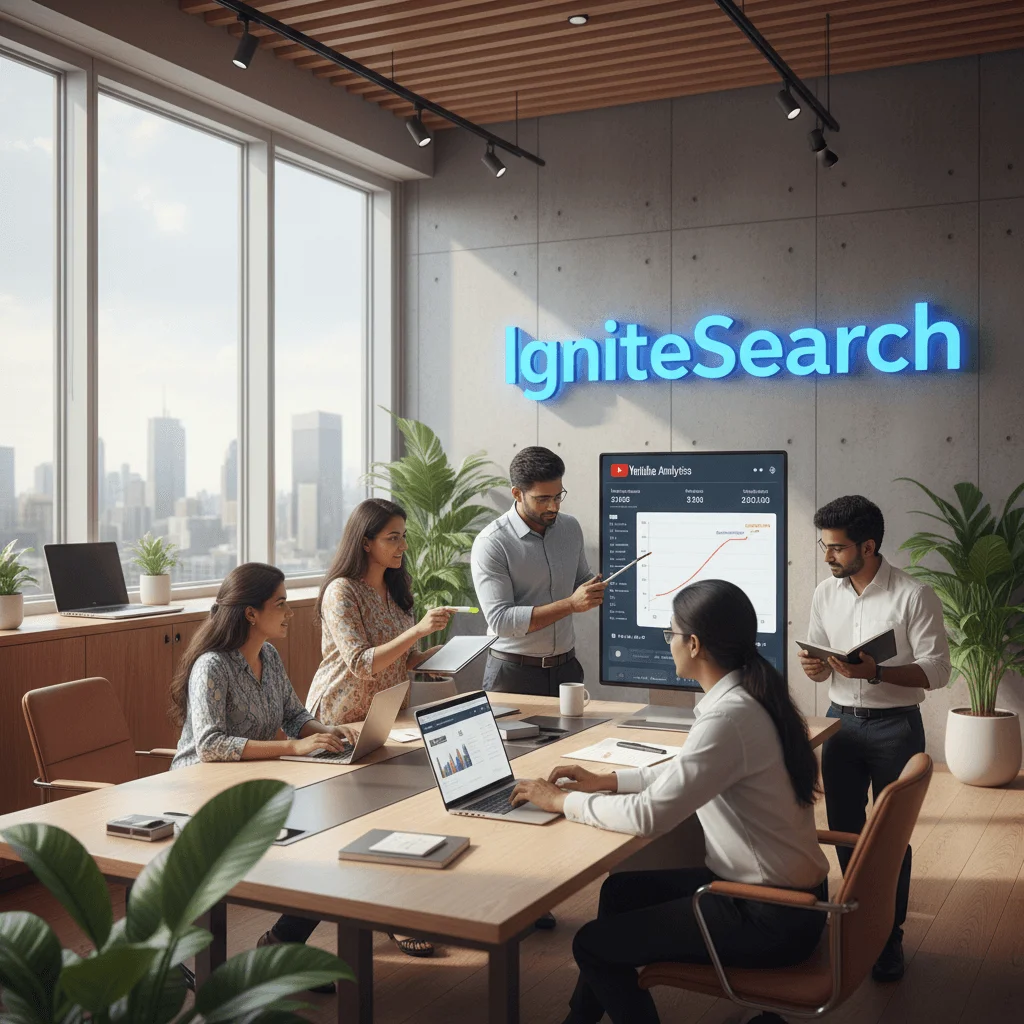
Through our initial audit, we discovered that users were primarily looking for how-to guides and comparisons for their product category, not just product listings. As savvy SEOs at IgniteSearch know, understanding the nuances of search intent is key, and this was a classic example of content misalignment.
Identifying the Right Search Intent
To kick off our strategy, we performed a detailed analysis of their existing traffic, keywords, and user behavior. This included:
- Keyword Research: Identifying high-traffic keywords with significant search volume and a clear intent. For instance, keywords like "best running shoes for flat feet" led us to a richer understanding of the customer’s needs.
- Competitor Analysis: Dissecting competitors’ content to see how they met search intent effectively. We found that the top players had comprehensive guides that addressed the pain points of their audience.
- User Journey Mapping: Understanding every step a user might take before making a purchase allowed us to visualize the entire customer journey, from information seekers to ready-to-buy customers.
Strategic Implementation
With the insights gathered, we crafted a content strategy that realigned existing blog posts and created new assets centered around user intent. This included:
- Optimized Blog Content: Developing in-depth, value-packed articles that answered users’ queries directly. We turned vague posts into authoritative resources, resulting in a dramatic increase in organic sessions.
- Comparison Guides: Introducing side-by-side comparisons of products filled gaps in existing content where potential customers had questions.
- User-Friendly Navigation: Enhancing site architecture allowed better access to this new content, ensuring users found what they were seeking without hurdles.
Measuring Results
Three months post-implementation, our client saw remarkable shifts:
- Traffic Increase: Organic traffic grew by 55%, as users were drawn to high-value content addressing their specific pain points.
- Higher Conversion Rates: the optimized content led to a conversion rate increase of 20%, demonstrating that when search intent is met, revenue follows suit.
- ROI and Revenue Spike: With the traffic boost translating into more conversions, the client reported a 30% increase in overall revenue.
This case illustrates that aligning SEO strategies with user intent isn’t just a nice-to-have; it’s a fundamental aspect of driving revenue in today’s competitive landscape. Just like a compass guides a sailor to safety, IgniteSearch guides businesses to navigate the often-turbulent waters of SEO success by keeping search intent front and center.
As we wrap up this enlightening case study, it’s clear that true seo success is achievable when user intent meets strategic content creation. This leads us seamlessly into our next discussion on the nuances of crafting content that resonates deeply with your audience.