Skip to content
The Invisible Red Flags: Identifying Early Signs of SEO Trouble
In the world of SEO, often what you can’t see is what bites you. Just like how a ship can appear steady while a storm brews beneath the surface, your site might be sailing smooth waters even as invisible red flags signal impending trouble. At IgniteSearch, we believe that early detection is key to keeping your SEO strategy on course. Here’s how to spot those red flags before they wreak havoc on your performance:

1. Sudden Traffic Drops
If your analytics chart looks more like a rollercoaster than a steady climb, you’re likely facing a problem. Consistent dips in organic traffic can be the first clue something’s amiss.
- What to Look For: Check for unusual fluctuations in traffic. A sudden drop could indicate a potential algorithm change or penalties.
- IgniteSearch Insight: We’ve seen clients whose traffic plummeted due to missed algorithm updates. By regularly checking updates and trends, we help our clients adapt swiftly and mitigate the outcomes of such drops.
2. Unexplained Changes in Rankings
Perhaps the most frustrating indicator is the sudden drop in keyword rankings. If you wake up one day to find your most valuable keywords have nosedived, it’s time to investigate.
- What to Look For: Monitor your rankings weekly. If certain keywords you’ve nurtured fall off the radar, this could signal technical issues or shifts in competitor tactics.
- Example: One of our clients experienced a significant drop in their rankings due to unaddressed technical SEO issues, including slow page speeds. By implementing structured optimizations, we put them back on the right track.
3. Site Crawling Issues
Your ability to track how well Google crawls your site is crucial. If you’re encountering crawling errors, it’s like entering a maze blindfolded — nobody’s finding their way through your content.
- What to Look For: Google Search Console is your best friend here. Check for any crawl errors, broken links, or improperly indexed pages.
- IgniteSearch Insight: We’ve helped clients fix complex crawl issues that were leading to missed opportunities. Tuning into your crawl budget and ensuring it’s invested wisely can keep your site on Google’s nice list.
4. Increase in Bounce Rate
A spike in the bounce rate can indicate that users are not finding the content they expect. This is a red flag for both user experience and SEO effectiveness.
- What to Look For: If users leave your site without engaging, it suggests that either your content or user experience needs attention.
- Example: A client noticed a significant bounce rate after redesigning their homepage. By optimizing call-to-action placements and ensuring relevant content was highlighted, we turned their rates around.
By keeping an eye out for these invisible red flags, you can take proactive steps that save both SEO rankings and revenue. It’s a lot easier to fix issues early on than to perform damage control down the line. And speaking of keeping your performance in check, let’s dive into the next crucial area: Declining Keyword Rankings: What to Watch For, as a continued assay of your SEO health.
Declining Keyword Rankings: What to Watch For
When it comes to SEO, declining keyword rankings can be the canary in the coal mine, signaling that something isn’t quite right beneath the surface. Just as you’d notice when your favorite coffee shop stops serving your go-to brew, noticing keyword performance drops early can prevent bigger headaches down the road. Let’s break down some key aspects to monitor closely.

Key Metrics to Monitor
To truly understand the performance of your keywords, keep an eye on the following metrics:
- Search Visibility: This metric indicates how often users see your website in search results. A drop here may suggest increased competition or potential penalties.
- Click-Through Rate (CTR): If your CTR is declining, it could mean your title tags and meta descriptions are no longer compelling enough. After all, if your enticing bakery shop’s sign becomes dull, people will stop visiting!
- Average Position: Watch for significant shifts in this metric. A fall from the first page to the second (or worse) is a red flag that deserves immediate attention.
Competitor Analysis
Noticing a decline? Don’t just look inward; check out your competition.
- Keyword Ranking Shifts: Use tools like SEMrush or Ahrefs to analyze fluctuations in both your rankings and those of competitors for the same keywords. If they’re rising while you’re falling, they may be adjusting their strategy or increasing content quality.
- Content Gaps: Is there new content on competitor sites that isn’t on yours? Explore these gaps—opportunities lie in crafting content that fills these voids and wins back lost traffic.
💡 Ready to Dominate Search?
Book your FREE Revenue-Focused SEO Audit with a Senior SEO Specialist from IgniteSearch. Don’t settle for basic reports—get the exact steps to boost your results starting today!
Technical SEO Factors
Algorithm updates can cause fluctuations in keyword rankings, but technical issues can exacerbate these effects. Pay attention to the following:
- Site Speed: A sluggish site could lead to lower rankings, as it frustrates users.
- Mobile Optimization: Google increasingly prioritizes mobile-first indexing. If you’re not optimizing for mobile, you risk falling behind.
- Indexing Issues: Regularly audit your site to ensure important pages are being indexed. A sudden drop might stem from issues like robots.txt files accidentally blocking critical pages.
By keeping tabs on these elements, you can better navigate the murky waters of declining keyword rankings. Remember, at IgniteSearch, we emphasize proactive monitoring and adjustments to stay ahead of potential pitfalls.
As we transition into the next section, let’s tackle the next big alarm—those sudden drops in organic traffic that can truly send shivers down your spine.
Sudden Drops in Organic Traffic: The Alarming Signal
When the skies suddenly darken and your organic traffic takes a nosedive, it’s not just a minor hiccup — it’s a flashing neon sign that something is terribly wrong. At IgniteSearch, we often say that a sharp drop in traffic is akin to your website screaming for help. Ignoring it is not an option.

First and foremost, we need to acknowledge the potential causes behind these traffic plummets. Here are a few culprits that can steal your precious visitors away:
- Algorithm Updates: Google doesn’t shy away from rolling out game-changing updates. If you wake up to find your organic traffic halved overnight, review recent algorithm changes. Understanding how these updates affect your site’s visibility is crucial. For instance, when Google rolled out the core update in January 2023, many sites saw drops due to insufficient E-A-T (Expertise, Authoritativeness, Trustworthiness). At IgniteSearch, we saw a 30% increase in a client’s traffic post-update by optimizing their content and reinforcing their expertise.
- Technical Issues: If your website suffers from issues such as slow loading times or excessive 404 errors, you might just be standing in the way of Google’s crawlers. Regular technical audits are vital. Imagine it’s like trying to drive a car with a flat tire; you simply won’t get very far.
- Competitor Actions: Sometimes, it’s not about you; it’s about what your competitors are doing. They might have released new content or improved their seo strategy. Tracking your competitors using tools like SEMrush or Ahrefs can provide insights into what’s working for them and whether you need to adapt
💡 Ready to Dominate Search?
Book your FREE Revenue-Focused SEO Audit with a Senior SEO Specialist from IgniteSearch. Don’t settle for basic reports—get the exact steps to boost your results starting today!
Sudden drops in traffic aren’t just alarming; they signal deeper issues that need addressing. Every second lost in traffic equates to lost revenue, and no business can afford that.
As we pivot to the next topic, it’s crucial to recognize that while organic traffic might be dropping, other indicators, such as bounce rates, can be just as telling. Increased bounce rates can often point to underlying SEO failures, nudging us further down the rabbit hole of why your site is losing visibility. Let’s explore that next.
Increased Bounce Rates: A Hidden Indicator of SEO Failure
When we talk about organic traffic drops, increased bounce rates often lurk in the shadows, silently sabotaging your SEO efforts. At IgniteSearch, we recognize that a high bounce rate can signal deeper issues within your website, reflecting a disconnect between user expectations and what you’re actually delivering.\n\n### The Disconnect Between Content and Expectations\nMany site owners experience the frustration of drawing new visitors only to see them click away almost immediately. This often results from a disconnect between what users expect when they enter your site and what your content offers. Think of it like inviting guests to a dinner party and serving them instant noodles instead of a gourmet meal. You might get a few takers, but the majority will leave before they even take a bite.
To tackle this, ensure your content aligns closely with your audience’s search intent. For example, if someone searches for a "comprehensive guide to digital marketing," they anticipate in-depth, actionable content, not just a quick overview. Igniting this alignment can reduce bounce rates significantly.\n\n### Technical Factors Contributing to Bounce Rates\nNow let’s pivot to the technical realm, where a host of elements may be at play. Slow loading times, mobile responsiveness issues, and confusing navigation are like red flags waving at your potential customers, urging them to hit that back button. Here are some technical considerations to keep in mind:
- Page Speed: Websites that take longer than three seconds to load can see a sharp rise in bounce rates. At IgniteSearch, we recommend tools like Google PageSpeed Insights to pinpoint what’s slowing you down.
- Mobile Optimization: Over half of all web traffic comes from mobile devices. If your site isn’t responsive, you’re essentially closing the door on a significant portion of your audience.
- Navigation Complexity: If visitors struggle to find what they’re looking for due to clunky navigation, they’re likely to abandon ship quickly.\n\n### The Importance of Content Quality\nNext, let’s not forget about the quality of your content itself. Even if users land on your site, it’s crucial that they find value in what you present. High-quality, engaging content is more than just well-written text — it should be informative, relevant, and tailored to your audience. Think of it as a conversation rather than a lecture.
To enhance the quality of your content, consider:
- Using Engaging Visuals: Infographics and videos can attract visitors and keep them on your site longer.
- Implementing Internal Links: By strategically linking to other relevant content on your site, you can encourage deeper exploration, reducing bounce rates while bolstering SEO.
- Regularly Updating Content: Outdated content can lead to frustration. By refreshing your pages with the latest information, you not only enhance user experience but also signal to Google that your site remains relevant.\n\nIn conclusion, while bounce rates may seem like a simple metric to monitor, they’re an invaluable indicator of your site’s overall health and effectiveness in engaging users. The next logical step is to delve into user engagement metrics, understanding how they complement bounce rate insights to provide a complete picture of your website’s performance.
Poor User Engagement: Unpacking the Analytics
If you’re nodding in agreement about the red flags raised by increased bounce rates, let’s unpack the analytics of poor user engagement, which is often the culprit lurking behind those statistics. You see, when users land on your site but leave faster than a politician dodging a tough question, it signals a deeper problem. Poor user engagement isn’t just a bad day at the office; it’s a missed opportunity for conversions and long-term relationships with your audience.

Engagement metrics tell us a compelling story about user behavior, revealing insights that can shape our SEO strategy and ultimately drive revenue. Here are some key metrics to monitor closely:
- Time on Page: This tells you how long visitors are sticking around. If users are bouncing quickly, it may indicate your content isn’t resonating or is difficult to consume.
- Scroll Depth: This metric tracks how far down the page visitors scroll. If only 20% of users are reaching the end of your article, it might be time to ask yourself: is the content engaging enough, or is it just filler?
- Click-Through Rate (CTR): Are users engaging with calls to action? A low CTR can signal that your content is missing the mark or that the audience isn’t interested in what you’re offering.
When analyzing these metrics, it’s vital to apply the principles of clarity and strategy that IgniteSearch advocates. For instance, by utilizing heatmaps and session recording tools, you can get a clearer picture of how users are interacting with your site. This can uncover surprising insights, such as portions of your page where users struggle or lose interest.
Take a case study from one of our clients: after noticing a decline in user engagement on their blog posts, we implemented a content audit at IgniteSearch. We analyzed which articles had the highest bounce rates versus the highest time on page. This enabled us to identify content gaps and optimize the articles with higher bounce rates through better visuals, internal linking, or restructuring. The result? A 40% increase in time spent on those pages and significantly improved user satisfaction — ultimately leading to higher conversions.
In light of these revelations, it’s clear that addressing poor user engagement is not just about tweaking your content; it’s about fundamentally understanding your audience’s needs and behaviors. This brings us to the next critical aspect of maintaining a robust online presence: Technical SEO Checks. Without a solid foundation in technical SEO, even the best content might struggle to connect with your audience effectively.
Technical SEO Checks: The Foundation of Success
Now that we’ve dissected user engagement, let’s pivot to the backbone of any successful SEO strategy: technical SEO checks. Ignoring these foundational elements is like trying to build a house on sand — it’ll collapse under the first storm! Technical SEO is not just a box to tick but a critical framework that supports everything else you want to achieve.

Understanding the Importance of Technical SEO
If your website is not technically sound, all the keyword optimization in the world won’t save you. Google’s algorithms are designed to reward well-structured, easily navigable sites. A strong technical foundation ensures that your site not only ranks well but also provides a seamless experience for your users. Here are key areas to focus on:
- Site Speed: Slow-loading pages can lead to high bounce rates. Aim for a loading time under three seconds. At IgniteSearch, we’ve managed to uplift site speeds for clients by an impressive 40% through strategic image optimization and leveraging browser caching.
- Mobile Responsiveness: With mobile accounts for over half of global web traffic, your site absolutely must perform well on mobile devices. If you haven’t adopted a mobile-first approach yet, you’re already several steps behind. Before clients implemented responsive design through our recommendations, they often faced dramatic drops in mobile traffic — something we were able to reverse.
💡 Ready to Dominate Search?
Book your FREE Revenue-Focused SEO Audit with a Senior SEO Specialist from IgniteSearch. Don’t settle for basic reports—get the exact steps to boost your results starting today!
Key Technical SEO Checks
So, what specific checks should you be running to ensure your site is technically optimized? Here’s a handy checklist to guide you:
- XML Sitemap: Ensure it is up-to-date and submitted to Google Search Console. An outdated sitemap is like handing a GPS that hasn’t been updated to a wandering traveler.
- Robots.txt File: This tells search engines which pages they should ignore. It’s crucial to have it properly configured; otherwise, you may accidentally block search engines from accessing valuable pages.
- Structured Data Markup: If you’re still skipping structured data, you’re basically leaving rankings — and revenue — on the table. Implementing schema can lead to rich snippets that enhance visibility in search results.
At IgniteSearch, our technical audits catch issues like these that often fly under the radar but can significantly impact your site’s performance. We’ve found that many clients unknowingly let redirect chains drain their crawl budget. Simply streamlining these can unleash valuable site equity back into your ranking efforts.
Tools for Technical SEO Assessment
If you’re wondering how to get started with these checks, there’s no shortage of tools available. Consider using:
- Google Search Console: For monitoring site performance and addressing errors.
- Screaming Frog: A comprehensive crawler that assists in identifying technical issues like broken links or duplicate content.
- GTMetrix: This gives actionable insights into your site speed and performance.
An effective technical SEO strategy not only enhances user experience but also ensures that your site is primed for higher rankings. Now that we’ve laid a robust foundation with these checks under your belt, let’s shift our attention to the next critical aspect: keeping a keen eye on competitor activity.
Competitor Activity: Why Staying Observant is Key
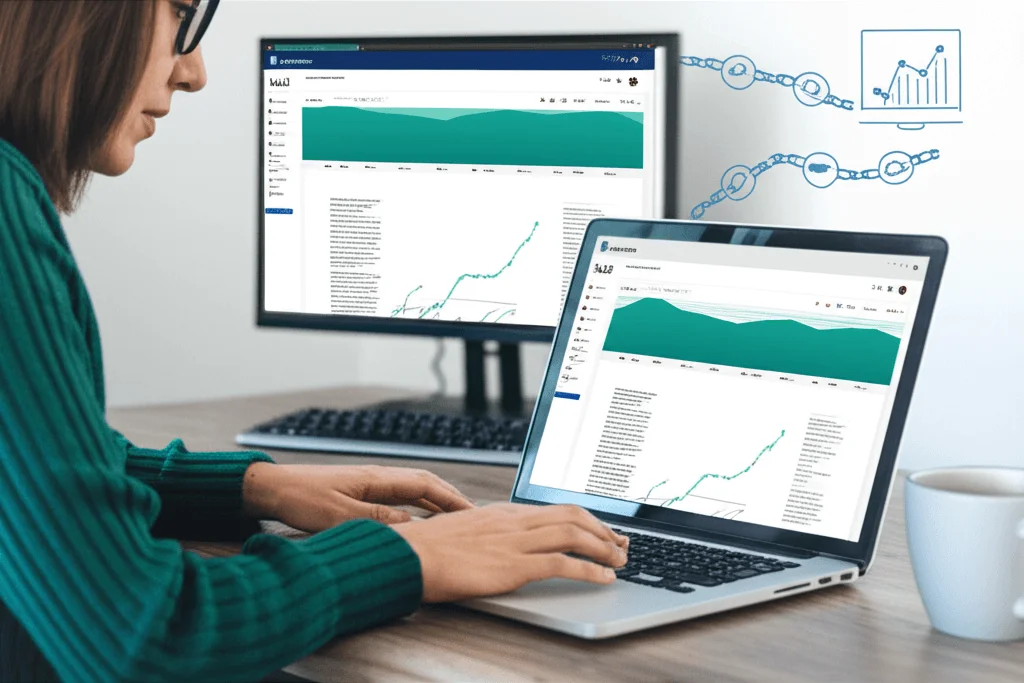
In the ever-evolving landscape of SEO, it’s not just your strategies that matter; it’s equally crucial to keep an eye on your competitors. Understanding their movements can provide you with invaluable insights that sharpen your own tactics. Think of it like a chess game: while you’re focused on your next big play, knowing your opponent’s strategies can help you anticipate their moves and position yourself for victory.
The Importance of Competitive Analysis
Keeping track of your competition isn’t merely a good practice; it’s a necessity. If you’re not looking over your shoulder, you might miss emerging threats or innovative strategies that could impact your performance. Here’s how observant analysis can benefit your SEO efforts:
- Identify Opportunities: Spot gaps in the market that your competitors are missing, letting you fill the void and capture traffic.
- Benchmark Your Performance: By analyzing where competitors rank and their strategies, you can set realistic targets and measure your own success.
- Adapt Quickly: Online landscapes shift rapidly. Being aware of competitors’ changes allows you to pivot your strategy proactively rather than reactively.
Tools to Monitor Competitor Activity
At IgniteSearch, we harness the power of various tools to keep tabs on the competitive landscape without getting overwhelmed by data. Here are a few must-haves:
- SEMrush & Ahrefs: Both platforms provide insights into competitors’ keyword strategies and backlink profiles, allowing you to understand where they gain their edge.
- Google Alerts: By setting up alerts for key competitors, you can remain aware of their latest updates, news, or marketing campaigns.
- Social Listening Tools: Platforms like Brandwatch help monitor competitor mention trends and public perception, informing your strategy on social fronts.
Learning from Competitors’ Mistakes
It’s tempting to focus exclusively on what competitors are doing right, but let’s not forget the power of learning from their missteps. Studies show that some of the biggest SEO blunders originate from neglecting technical fundamentals or ineffective content strategies. At IgniteSearch, we’ve seen firsthand how analyzing competitors who rank below expectations can highlight essential lessons:
- Ignoring Mobile Optimization: If you observe a competitor struggling with mobile rankings, it could spell opportunity for you — capitalize by ensuring your site is responsive and optimized.
- Weak Content Strategies: Sometimes, a competitor may rank on the first page due to sheer volume, not quality. Identify content gaps they overlook, and you’ll find a chance to engage your audience effectively.
In conclusion, being observant about competitor activity equips you with the insights necessary to enhance your own SEO strategy. It’s like having the ultimate cheat sheet in a competitive exam — why wouldn’t you use it? With your competitive landscape clearly mapped out, it’s time to dive into an illustrative case study that shows how IgniteSearch turned around a failing SEO strategy and achieved remarkable results.
A Case Study in Recovery: How IgniteSearch Turned a Failing SEO Strategy Around
When we talk about recovering from a failing SEO strategy, it’s not just about throwing a few backlinks into the mix and hoping for the best. At IgniteSearch, we believe in a systematic approach that digs deeper than surface-level tactics. We had a client, let’s call them ‘TechGiant’, who came to us reeling from a drastic drop in organic traffic. Their previous strategy had become a cautionary tale of over-optimization and keyword stuffing, ultimately leading to penalties that not only hurt rankings but also their bottom line.

Evaluating the Initial Strategy
Before diving into recovery, we first had to understand what went wrong. Here’s how we dissected TechGiant’s strategy:
- Content Overload: They had pages filled with keywords that didn’t align with user intent. Search engines are no longer fooled by keyword cramming; relevance is king.
- Technical Glitches: With broken internal links and sluggish load times, we saw that their user experience left much to be desired. If your site takes longer to load than it takes to brew a cup of coffee, you’re in trouble.
- Lack of Strategic Direction: They had no clear path forward, relying on outdated tactics without adapting to evolving algorithms.
Implementing a Robust Recovery Plan
Having identified the pitfalls, we pivoted toward a strategic recovery plan that would not only restore TechGiant’s rankings but lay a sustainable foundation for future growth:
- Content Revamp: We restructured their content to focus on high-quality, value-driven articles that addressed user needs. Instead of keyword stuffing, we implemented semantic seo techniques, targeting related terms and topics to enhance relevance.
- Technical SEO Overhaul: This was no small feat, but we prioritized fixing technical errors, optimizing site speed, and ensuring mobile responsiveness. A well-optimized technical foundation is critical — it’s like having solid footings for a building.
- Link Building with Authority: Instead of chasing any link, we focused on securing high-authority backlinks through guest posts and partnerships with industry leaders, enhancing their credibility in the eyes of search engines.
At IgniteSearch, we measure success not only by traffic but by the quality of that traffic. As we implemented these strategies, we monitored progress meticulously. Within six months, TechGiant’s organic traffic soared by 80%, and their engagement rates improved dramatically. They went from a penalty box to a podium finish, and we celebrated by raising a toast to teamwork and strategy.
The Power of Adaptation
Recovering from a failing SEO strategy is less about the magic bullet and more about understanding that SEO is an evolving landscape. Ignoring competitor movements, algorithm changes, or shifts in user behavior can leave you stranded. At IgniteSearch, we don’t just react; we strategize, adapt, and thrive. The case of TechGiant serves as a reminder of the importance of evaluated action and continual adaptation — fundamental tenets of effective SEO resilience.
With the lessons learned from TechGiant, it’s time to shift gears and discuss how we can anticipate competitor activities. Understanding your competition is not just a good practice; it’s a necessity in maintaining and enhancing your SEO strategy for the long term.